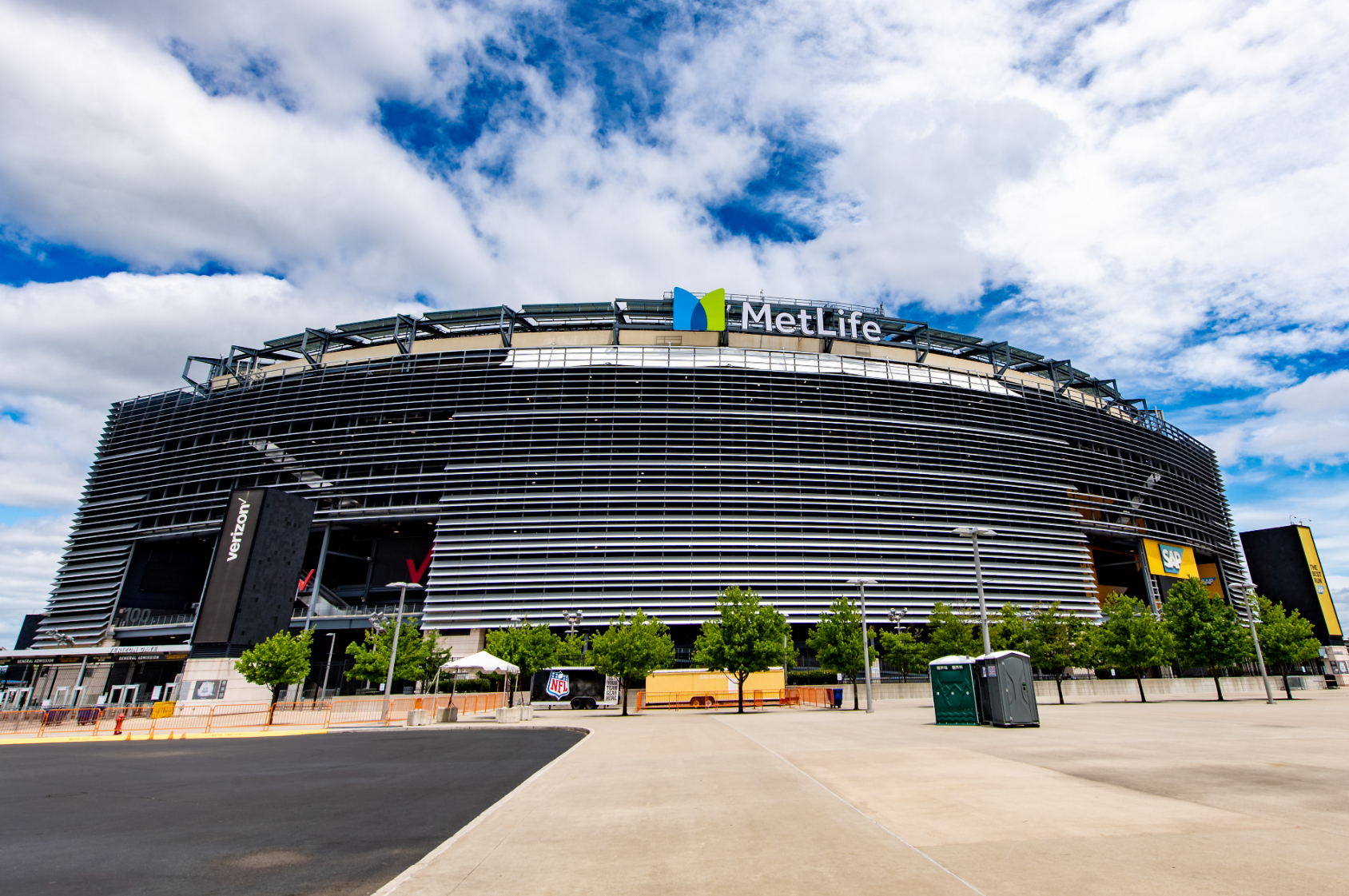
When several host cities sit within one broad corridor, readers start asking different questions. They want to understand travel rhythm, match sequencing, and how supporter movement may concentrate over time.
That makes corridor coverage useful for both journalism and search. It turns the map into a practical planning layer rather than a list of isolated destinations.
For a 2026 site, the East Coast corridor is especially valuable because it can connect large venues, high-interest cities, and late-stage tournament attention.
Pages like this help the host-city cluster feel more dimensional. They show how cities relate to one another, not only how each one functions alone.
Sometimes the story is not one city. It is the route between cities.