The World Cup 2026 favourites race is complete. Spain won the title, Argentina finished runner-up, England finished third and France finished fourth.
The useful question is no longer which favourite looks safest. It is why Spain's structure held, why Argentina came close, and why the other contender cases broke before the final.
The focus here is tighter than the wider tournament conversation. The question is not who might surprise people or which group could break open first. It is which teams already look built to hold a title challenge together over the full route.
The wider picture still matters, though. The main World Cup 2026 predictions review, the full results archive and the final standings page are the best companion pages if you want to judge these contenders against the broader tournament picture.
A World Cup favourite is not simply a team with the loudest reputation. Plenty of talented teams enter big tournaments with obvious quality but without the right tournament profile. The strongest favourites are usually the ones that combine four things.
The first is route quality. In a 48-team World Cup, the draw matters. Some sides are strong enough to absorb a difficult group, but a clean route still lowers the number of things that have to go wrong. The second is squad depth. A title challenge rarely depends only on the best eleven. A real favourite needs enough quality to rotate, manage fatigue and survive an awkward injury or suspension without losing identity.
The third is clarity of style. By this stage of the cycle, the strongest contenders usually know how they want to play. They are not still asking basic questions about shape, tempo or ball progression. The fourth is knockout composure. The teams most worth calling favourites are the ones least likely to panic when a quarter-final becomes tight and ugly.
Argentina still have one of the clearest title cases in the tournament. Their strength is not only talent. It is tournament fluency. They remain one of the best examples of a national team that understands how to manage pressure, rhythm and control over multiple matches. They do not need a game to become open before they look convincing, and they are less dependent than many rivals on emotional momentum.
France have a title case built on range. They can overwhelm weaker opponents physically, survive difficult tactical matches, and still produce enough individual attacking quality to decide tighter games. That flexibility is one of the best reasons to call them genuine favourites for World Cup 2026 rather than simply another talented side.
Brazil remain one of the most obvious favourites to win World Cup 2026 because they can still turn a match in an instant. Very few teams in international football carry that level of attacking threat. The larger question is whether Brazil can combine that explosiveness with enough structural calm once the tournament narrows and the margins tighten.
Spain may be the most quietly convincing side in this first tier. Their appeal is different from Brazil's and different from France's. Spain's case rests more on structure than on volatility. When they are functioning properly, Spain do not need frantic matches in order to dominate. They are comfortable shaping games positionally, keeping control of tempo and making opponents work without the ball for long stretches.
England clearly belong in the contender class. The player quality is too strong to place them anywhere lower. They have enough high-end talent to win a World Cup and enough depth to survive several different kinds of match. The reason they sit just outside the very top tier here is not a lack of ability. It is a slightly lower level of certainty once the tournament gets tighter and more emotionally loaded.

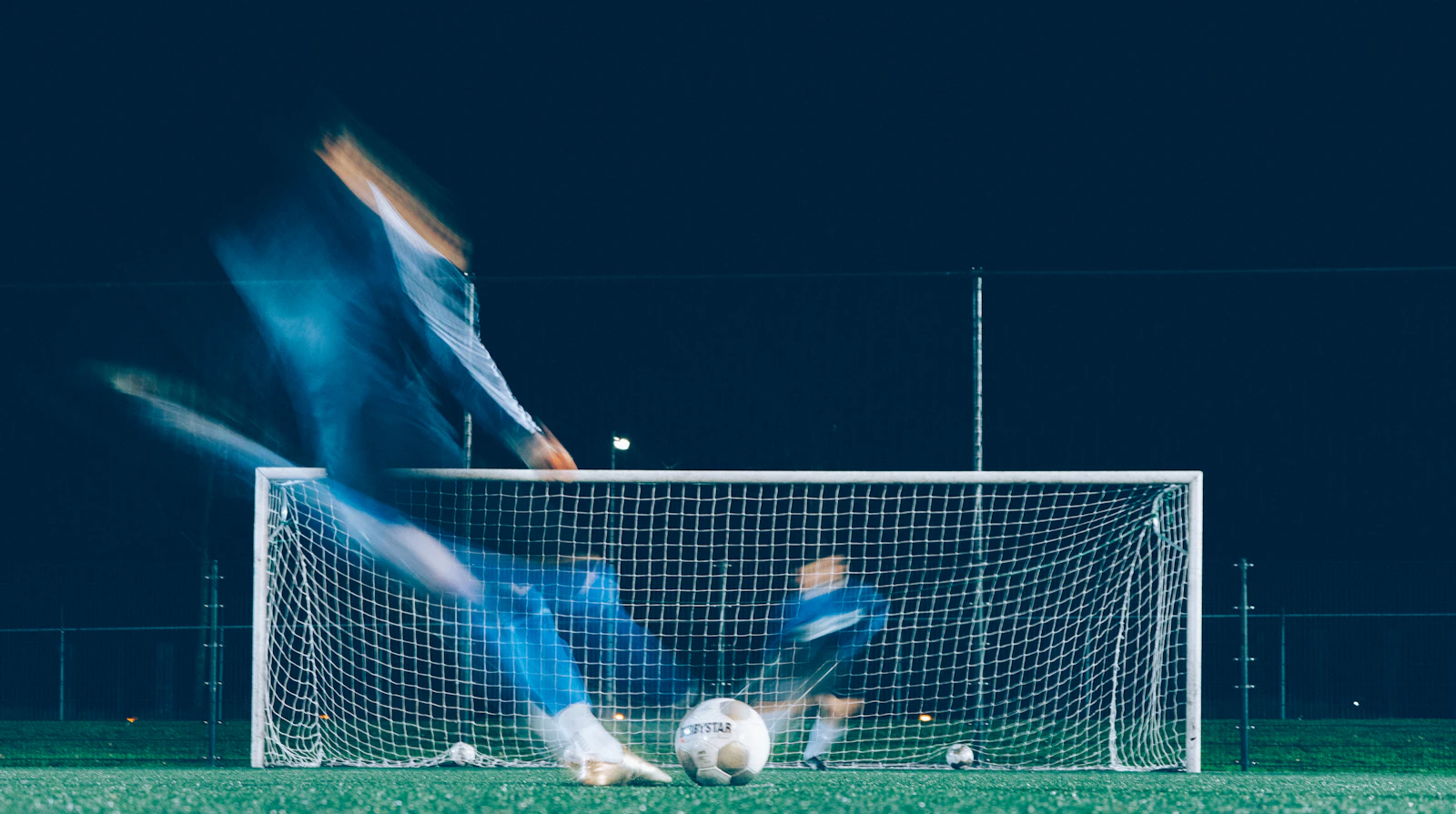
Photo: Pexels. Illustrative match-night crowd image used for World Cup 2026 favourites analysis.
Germany, Portugal and the Netherlands all have a serious case to matter. Germany remain dangerous because they are usually at their best when the competition becomes practical rather than theatrical. Portugal have enough talent to make a semi-final or better, but their overall tournament profile still feels slightly less complete than the very strongest teams. The Netherlands may be the team most likely to move up if the tournament develops well for them, because they are closer to the first tier than the usual outsider label suggests.
Outside this page, the public picture is not always identical. Betting markets and model-based forecasts usually keep teams such as Spain, France and England very near the top of the World Cup 2026 field, even when the order changes from one source to another. That matters because market prices are one useful signal of broad expectation, squad strength and perceived route quality.
Markets still do not settle the argument on their own. Odds reflect probability pricing, public demand and bookmaker balancing as much as pure football analysis, which is why they are useful context rather than a final answer.
The weighting here leans a little more toward tournament control than markets sometimes do. Group-stage route management, squad depth across seven matches and the ability to stay calm in tight knockout football all count heavily, so a team can rate very highly in betting markets and still sit a fraction lower here if its overall tournament profile looks a little less stable.
England are the clearest example. Many external models and outright markets keep them near the very top of the board. Here they still rate as serious contenders, but sit just below the strongest first-tier favourites because the full tournament case feels slightly less settled than that of Argentina, France, Brazil or Spain.
No favourite is fully safe once the knockout rounds begin. Argentina still need to show that their control holds when the emotional temperature rises late in the bracket. France need to balance freedom and control. Brazil need to make sure their explosiveness is not undermined by avoidable structural chaos. Spain need enough final-third edge to turn control into separation.
England, Germany, Portugal and the Netherlands all carry different versions of the same challenge: they are good enough to matter, but not yet convincing enough to remove uncertainty. That is what separates a strong contender from a truly convincing favourite.
Quick answers
Which World Cup 2026 favourite won?
Spain won World Cup 2026, beating Argentina 1-0 after extra time in the final.
Did the strongest early favourite win?
No. Argentina were the strongest original pick here and reached the final, but Spain's structural case aged best and Spain won the trophy.
Are England among the favourites for World Cup 2026?
Yes. England are clearly among the serious contenders, although this page places them just below the strongest first-tier favourites.
Why are dark horses not included on this page?
Because this page is intentionally narrower than the main predictions guide. It focuses only on teams with a genuine title-level case, not the wider outsider field.
No answer here can be absolute, because routes change once results start reshaping the knockout bracket. But some teams still look better positioned than others. Generally, the strongest route belongs to the team most likely to come through the group stage without burning unnecessary emotional or physical energy. In that sense, the best-positioned favourites are usually the ones that combine squad depth with tactical calm.
That is a big reason Argentina continue to rate so highly. France also remain well placed because their depth gives them more room to absorb complications. Spain may benefit from the fact that their style often conserves control rather than constantly risking the game. The right way to read route analysis is not as certainty, but as stress reduction.
The picture changed through the bracket rather than through reputation. Injuries, suspensions, bad matchups and one poor knockout performance turned several strong cases into exits. These rankings now make most sense as an archive of the title race rather than a live tournament picture.
The final answer is Spain. Argentina's control and tournament fluency carried them to the final, France's ceiling carried them to the top four, and England finished third, but Spain's structure and positional calm became the winning profile.
The favourites picture is narrower than the wider predictions conversation, but that is exactly what makes it useful. The aim here is to isolate the strongest title-grade profiles and show which parts survived contact with the final bracket.
Coverage trust
Coverage trust and verification
This predictions page is anchored to confirmed tournament structure, then updated as the public record changes.