Tournament Window
Opens2026June 11
Tournament Window
Tournament Window
Format
Hosts
Search Subpage
This page is built for readers comparing Canada's two host cities instead of treating them as identical entries on a map.
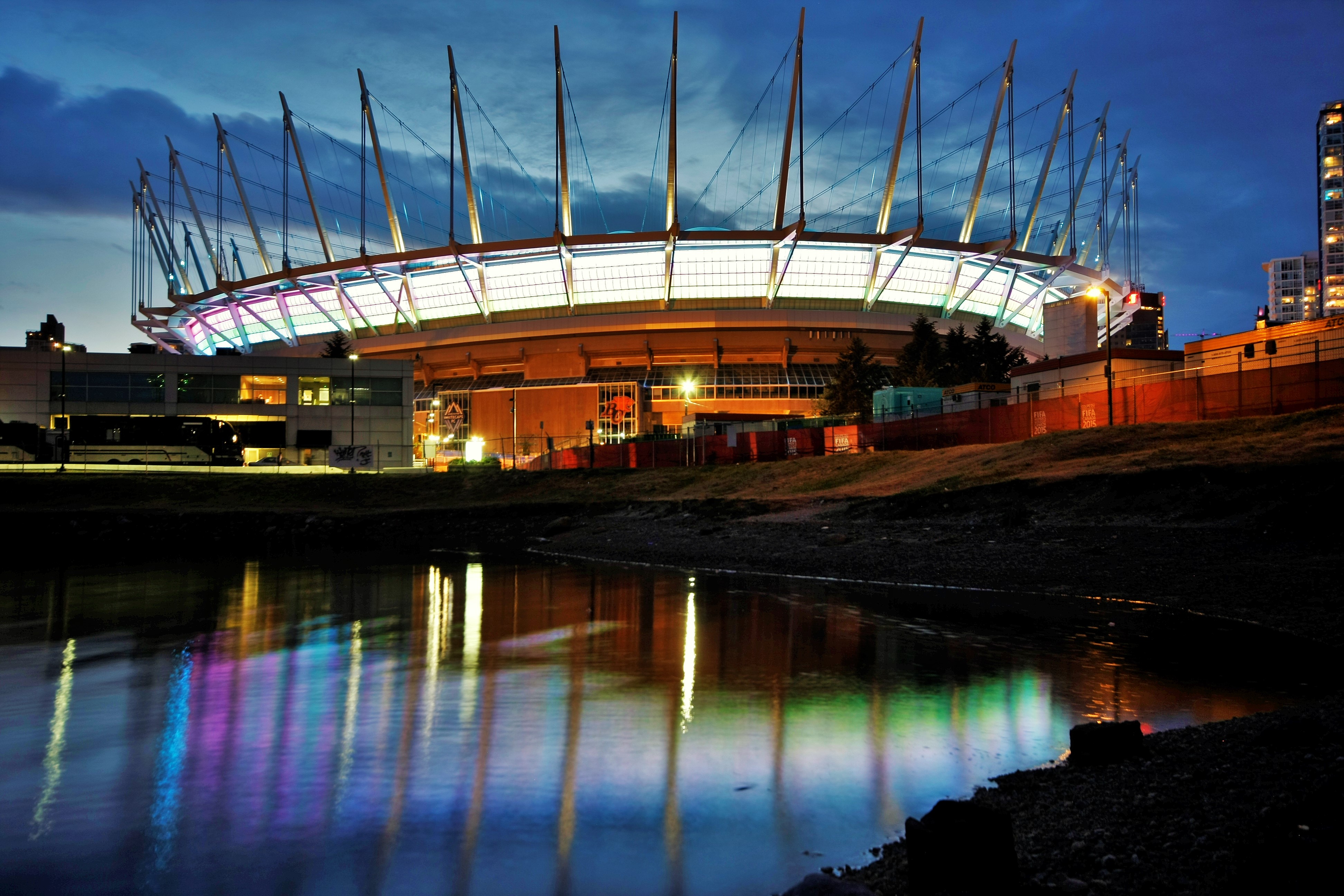
What this page should answer
How do Vancouver and Toronto differ for tournament planning?
Which compare-style questions deserve a dedicated city page?
Why do Canada-specific travel pages matter early?
Tourist Guide
Pace
Vancouver planning usually leans toward walkable waterfront time and shorter city loops. Toronto planning tends to revolve around bigger neighborhoods, stronger public transit choices, and more variation in how far apart activities feel.
Stay
In both cities the right base is less about the cheapest room and more about your daily route. Downtown Vancouver keeps most first-time visitors efficient, while Toronto visitors usually do better when they choose a corridor that balances transit access with evening activity.
Visit
These two cities reward a genuine sightseeing day. Waterfront walks, markets, food neighborhoods, and museum districts are part of why this compare page matters for tourists as much as supporters.
Canada’s two host cities help explain how geography, timing, and supporter logistics will shape the northern side of the tournament map.
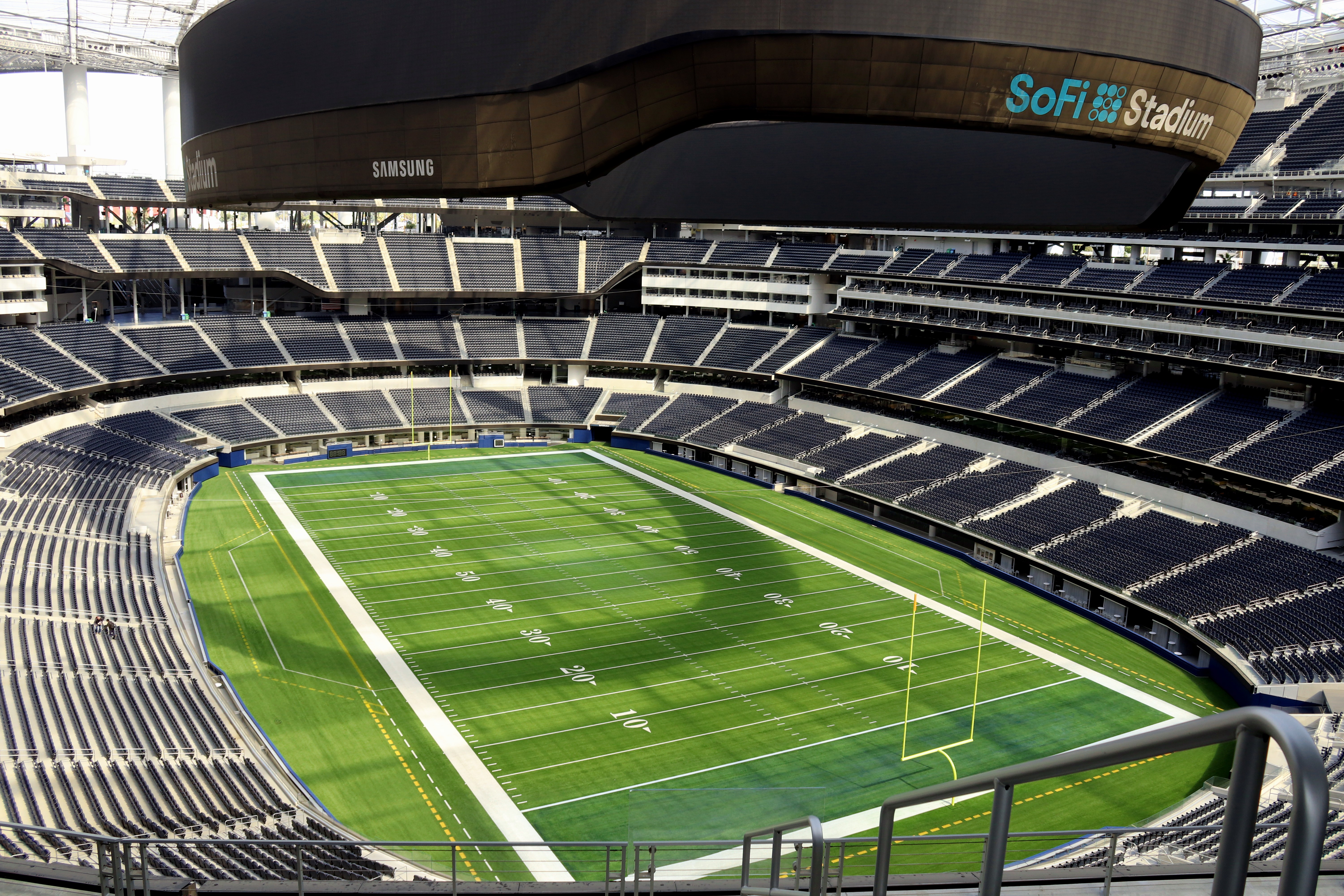
The official host map gives the site a durable structure for venue files, city guides, and supporter context.
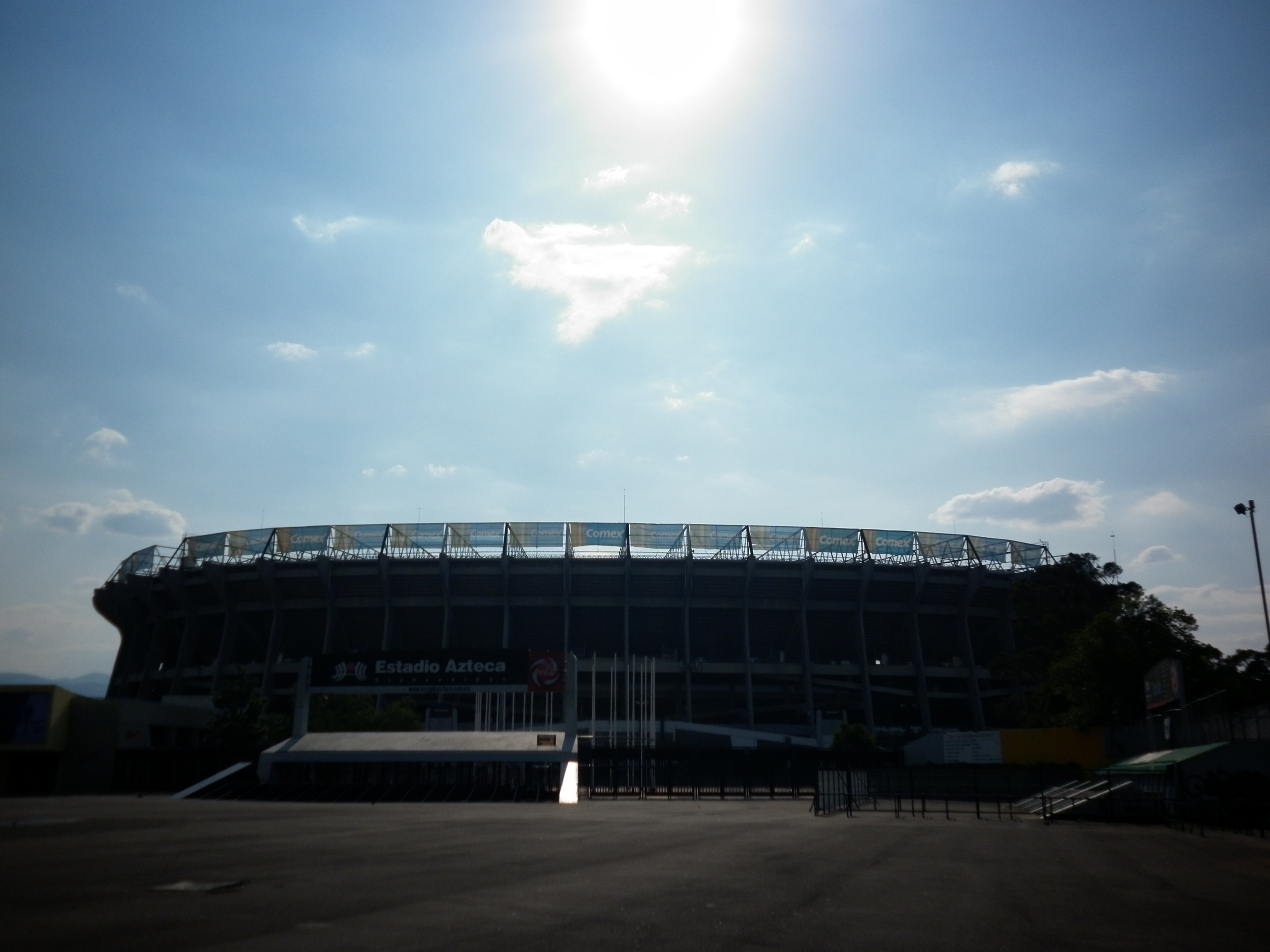
Mexico’s broader host map creates room for multiple city-intent pages, not just one opener-driven storyline.

A cluster of eastern host cities creates natural demand for travel rhythm, kickoff timing, and supporter movement pages.