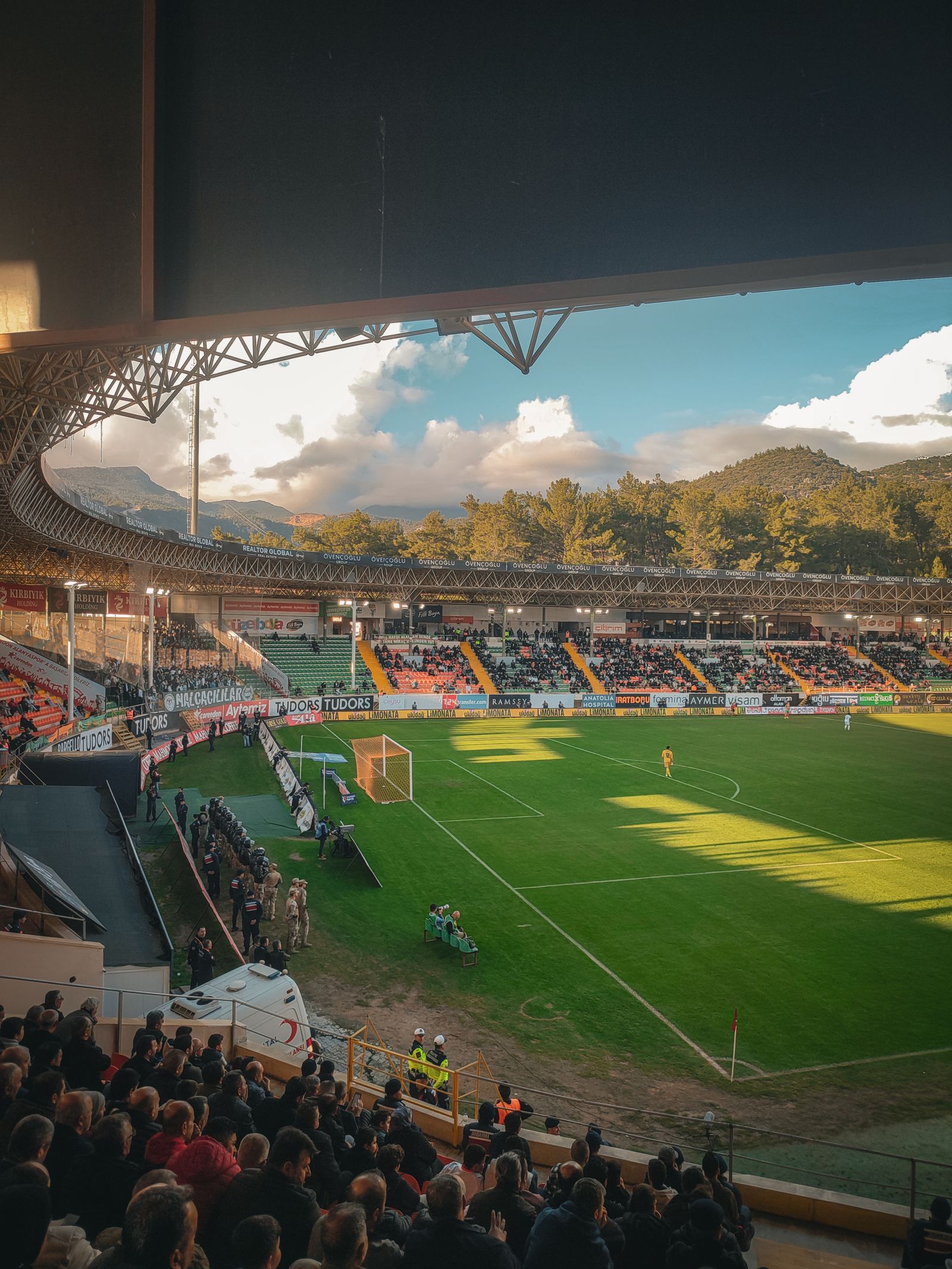
The World Cup 2026 dark horse conversation is now a review rather than a forecast. The useful question is which outsider cases had real evidence behind them and which routes closed once the bracket became real.
That is what makes a useful dark horse archive. It should not just throw out surprise names for the sake of novelty. It should identify the teams that had a real knockout path, enough structure to survive pressure and enough upside to change the shape of the tournament.
For the wider picture, keep the main World Cup 2026 predictions review, the World Cup favourites review, the full results archive and the final standings page nearby. This page is narrower. It is about how dangerous outsiders compared with the actual final bracket.
A true dark horse is not a random outsider. It is a team with a believable route, a clear style and enough quality to turn one good week into a serious run. In a 48-team World Cup, that usually starts with the draw. A dark horse needs a section it can survive without playing perfectly.
The next part is floor. Great dark horse teams are not built only on inspiration or one star forward. They tend to be organised, physically reliable and tactically legible. They know what their matches are supposed to look like. That matters because the first goal of a dark horse is not to dazzle. It is to stay alive long enough to become awkward.
The final part is knockout upside. The best dark horse picks are the teams that could realistically win a round-of-32 match against a bigger name and then drag a quarter-final into the kind of game that stops feeling comfortable for the favourite. That is the threshold used here.
The Netherlands had one of the most convincing dark horse profiles in the field. They were close enough to the contender class that calling them outsiders almost felt too modest, but they still sat outside the obvious first-rank favourites. That is exactly why the pick made sense before the bracket narrowed.
Uruguay dropped out of the dark-horse list early. They finished third in Group H on two points after drawing Saudi Arabia and Cabo Verde, then losing 1-0 to Spain. That matters because a dark horse has to keep a route alive; Uruguay's route closed before the knockout rounds.
Colombia were one of the most intriguing pure dark horse cases because Portugal took most of the attention in Group K. They had enough edge, structure and personality to make the section unstable, and that is exactly the kind of reasoning this review preserves.
Japan are no longer just the default smart pick for neutrals. They are a serious dark horse because they consistently look organised, athletic and coherent on this stage. Group F is hard enough to test them properly, but not so punishing that it removes their upside. Japan do not need to dominate games to become dangerous. They need structure, belief and one or two matchups that fit their rhythm. If they come through the group with confidence, they will become one of the teams stronger nations would rather avoid in the first knockout round.
Senegal deserve to stay in this conversation because they still have the kind of profile that travels well in tournaments. They are physical without being one-dimensional, aggressive without being chaotic and experienced enough not to be overawed by bigger names. The problem is route difficulty. Group I is shaped by France, and Norway make the section less forgiving than many second groups in the field. That is why Senegal sit slightly below the first dark horse line. The upside is there, but the path asks for more clean work early.
Morocco also deserve a serious look, especially for readers who do not want their dark horse picks to feel speculative. Their Group C path is difficult because Brazil hold the power position, but Morocco are disciplined enough to stay live against almost anyone. They know how to keep matches compact, and that alone makes them dangerous in a tournament where many favourites still prefer flow over friction. If they get out of the group, nobody will treat them like a novelty story.
Which dark horse has the cleanest route?
Photo: Pexels. Illustrative supporters image used for World Cup 2026 dark horses coverage.
This is where the field starts to separate. A dark horse does not need an easy path, but it does need a plausible one. The Netherlands probably have the cleanest combination of quality and route because Group F is balanced rather than overwhelming, and they have enough experience to handle different kinds of matches without changing identity. Japan benefit from that same group structure, although their margin for error is thinner.
Colombia may have the most volatile route, which is partly why they are so interesting. A strong start could make their path look suddenly attractive, but an uneven one could leave them fighting for oxygen earlier than expected. Morocco's route is less about softness and more about suitability: they can survive hard games because they rarely need football to become pretty before they look competitive.
Every dark horse carries a cost. The Netherlands are close enough to the contender class that expectations can rise quickly if they start well, and pressure changes the feel of those matches. Colombia have the edge and the talent, but dark horse runs collapse quickly if the emotional line gets too high too early. Senegal and Morocco both have credible structure, but their paths need clean finishing and favourable bracket timing.
Japan and Senegal both face versions of the same problem: their path to a run is real, but not especially forgiving. They may need to play close to their level from the first match rather than building into the tournament slowly. Morocco, meanwhile, have the structure to stay alive but may still need the bracket to open at exactly the right moment in order to turn resilience into a truly deep run.
This matters because the label gets stretched too easily. England are not a dark horse. Germany are not a dark horse. Portugal are barely in that zone at all. They begin too close to the contender class, and in some markets or models they sit even higher than that. Calling them dark horses would flatten the category until it stops meaning anything useful.
A dark horse should feel dangerous because it is under-discussed relative to its route and its quality, not because it happens to sit outside one person's top three. That is why this page stays narrower than the main predictions guide. The point is not to rebrand contenders as outsiders. It is to identify the teams that could jump a tier once the football starts.
Our dark horse ranking review
Quick answers
Who were the best dark horse picks for World Cup 2026?
The Netherlands, Colombia, Japan, Senegal and Morocco were the main dark-horse picks reviewed here, but the final bracket shows how difficult it was for outsiders to turn a credible route into a title run.
Which dark horse case aged best?
Morocco's case aged well because they reached the quarterfinals before losing to France, while several other outsider routes closed earlier.
Why are England or Germany not called dark horses here?
Because those teams begin the tournament too close to the main contender tier. A dark horse should feel dangerous without already sitting among the obvious first-rank favourites or near-favourites.
Did a dark horse win World Cup 2026?
No. Spain won the tournament, and the final top four were Spain, Argentina, England and France.
If the field is ranked as a review, the order starts with Morocco's quarterfinal run, then the Netherlands, Colombia, Japan and Senegal as cases that had useful logic but did not become final-weekend stories.
That ranking is retrospective. Dark horse value changed quickly once results landed, and the bracket showed how hard it is for an outsider profile to survive every pressure window.
The practical takeaway for readers is to compare the original logic with the final results. That is usually where dark horse value becomes visible: not in the label, but in whether the team actually turned structure into knockout progress.
The best World Cup 2026 dark horse cases were the teams that combined discipline with just enough upside to change the tone of a bracket. That group started with the Netherlands, Colombia, Japan, Senegal and Morocco. None of them should be treated like random surprise picks; each had a real football case behind it.
That is the useful way to read this field after the tournament. The favourites still deserved most of the oxygen, but the bracket was also shaped by outsider pressure, especially Morocco's run to the quarterfinals.
Coverage trust
Coverage trust and verification
This predictions page is anchored to confirmed tournament structure, then updated as the public record changes.